Lavender Origins and History
Lavender is a flowering plant in the mint family known for its fragrance resilience and long standing relationship with human use. Native to the Mediterranean region lavender developed in landscapes shaped by sun rocky soil and dry summers. From these origins it spread gradually through trade migration and cultivation becoming one of the most recognizable plants in the world.
Lavender grows naturally across southern Europe northern Africa and parts of the Middle East. These regions provided the conditions that shaped its scent oil content and growth habit. Over time people learned how reliably it returned year after year making it a valued plant both practically and culturally.

Early Use in Ancient Civilizations
Lavender has been used for thousands of years with records reaching back to early Mediterranean cultures. Ancient Egyptians valued lavender for its scent and preservation qualities and included it in embalming practices and personal perfumes. Greeks and Romans expanded its use into daily life adding lavender to baths clothing and living spaces.
For these cultures lavender was not viewed as ornamental alone. It was part of hygiene ritual and atmosphere creating environments associated with cleanliness calm and order.
Traditional Medicine and Cultural Knowledge
Beyond the Mediterranean lavender appeared in early medicinal traditions. In ancient Persia it was used in herbal preparations meant to calm the body and mind. In India lavender found a place within traditional herbal practices where aromatic plants were valued for balance and wellbeing.
These uses were based on observation and tradition rather than modern testing. Still the consistency of lavender’s role across cultures speaks to how reliably it was experienced as soothing and pleasant.

Medieval and European Expansion
During the Middle Ages lavender became firmly established in Europe. Monasteries cultivated it in garden plots alongside other useful herbs. It was used in remedies scented waters and household preparations. Lavender was also commonly placed in homes to freshen air and linens.
By the Victorian era lavender had become deeply associated with domestic life especially in England. Lavender sachets were placed in drawers and wardrobes both for scent and to discourage insects. Queen Victoria’s fondness for lavender helped cement its popularity and cultural identity.
Modern Cultivation Around the World
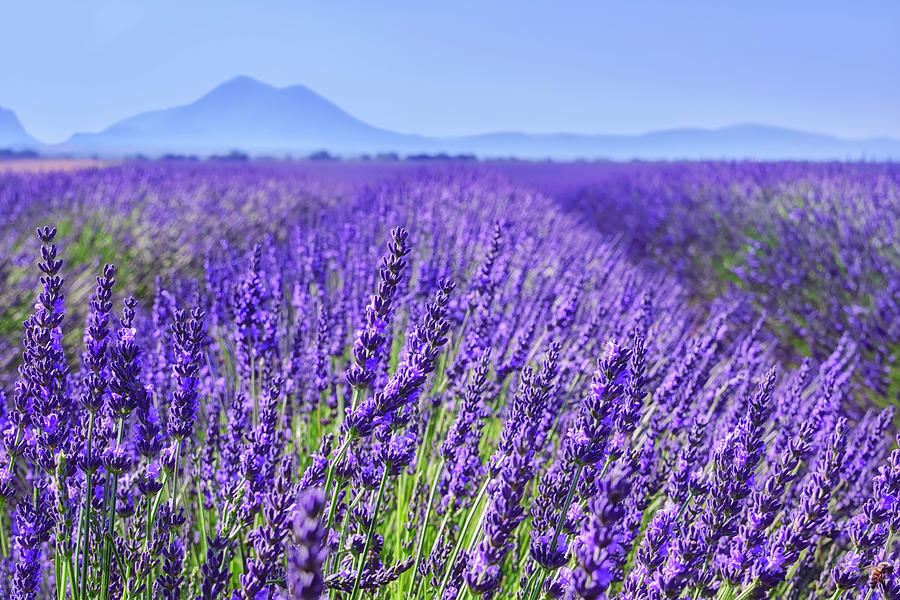
In the modern period lavender spread far beyond its original range. It is now cultivated in many countries including France Bulgaria England the United States and Australia. France is especially well known for its lavender fields and essential oil production though many regions now grow lavender successfully.
Lavender’s adaptability has allowed it to thrive in gardens farms and landscapes across different climates as long as drainage and sunlight are sufficient.

Lavender Today
Today lavender is valued for multiple reasons. It remains a popular garden plant admired for its color form and scent. Lavender essential oil is widely used in perfumes soaps cosmetics and aromatherapy. Dried lavender is used in sachets and decorative arrangements.
Across cultures lavender continues to represent calm familiarity and connection to the natural world. Its long history of cultivation reflects not trend or novelty but steady usefulness passed down through generations.
Lavender’s story is one of continuity. A plant shaped by its environment and carried forward by human hands into nearly every corner of the world.