Growing Lavender in Soil
Growing lavender in soil is a proven and reliable way to cultivate this aromatic plant. Lavender has been grown successfully in gardens farms and landscapes for centuries when its core requirements are met. This guide covers variety selection soil preparation planting and long term care so plants remain healthy productive and long lived.
Choosing the Right Lavender Variety
Lavender varieties differ in growth habit climate tolerance and intended use.
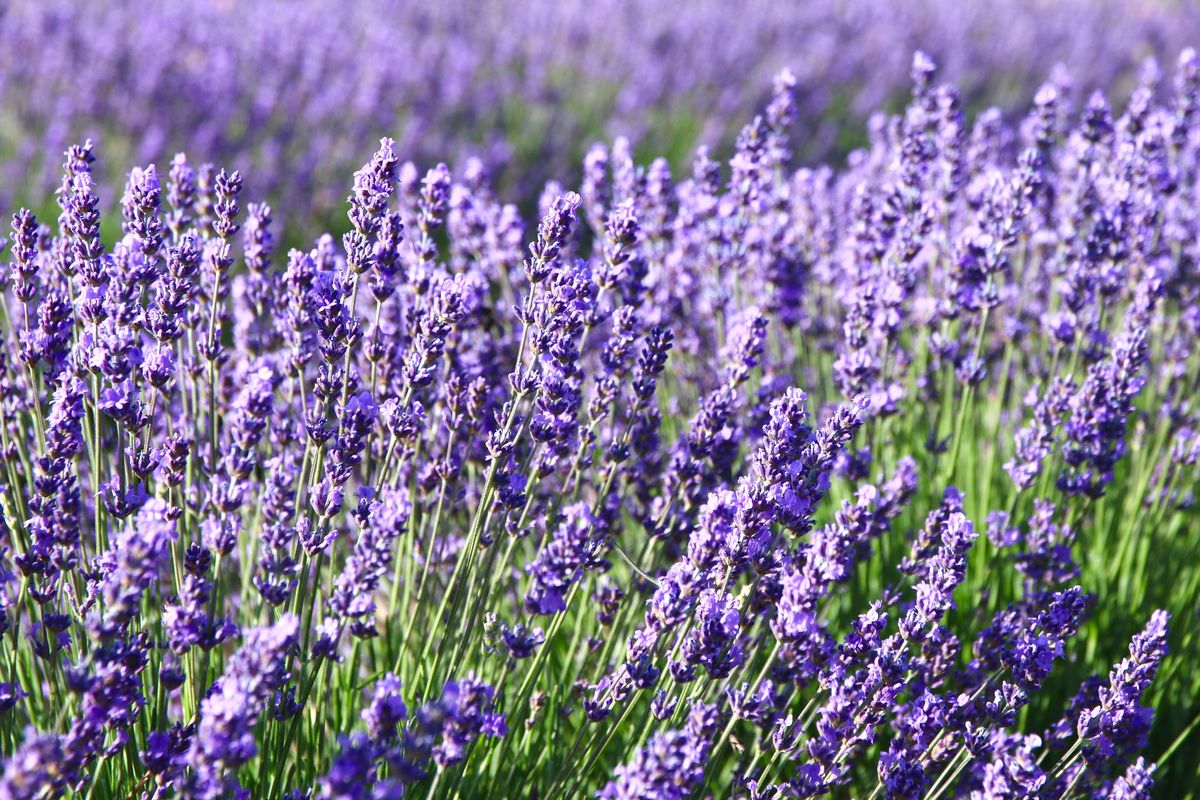
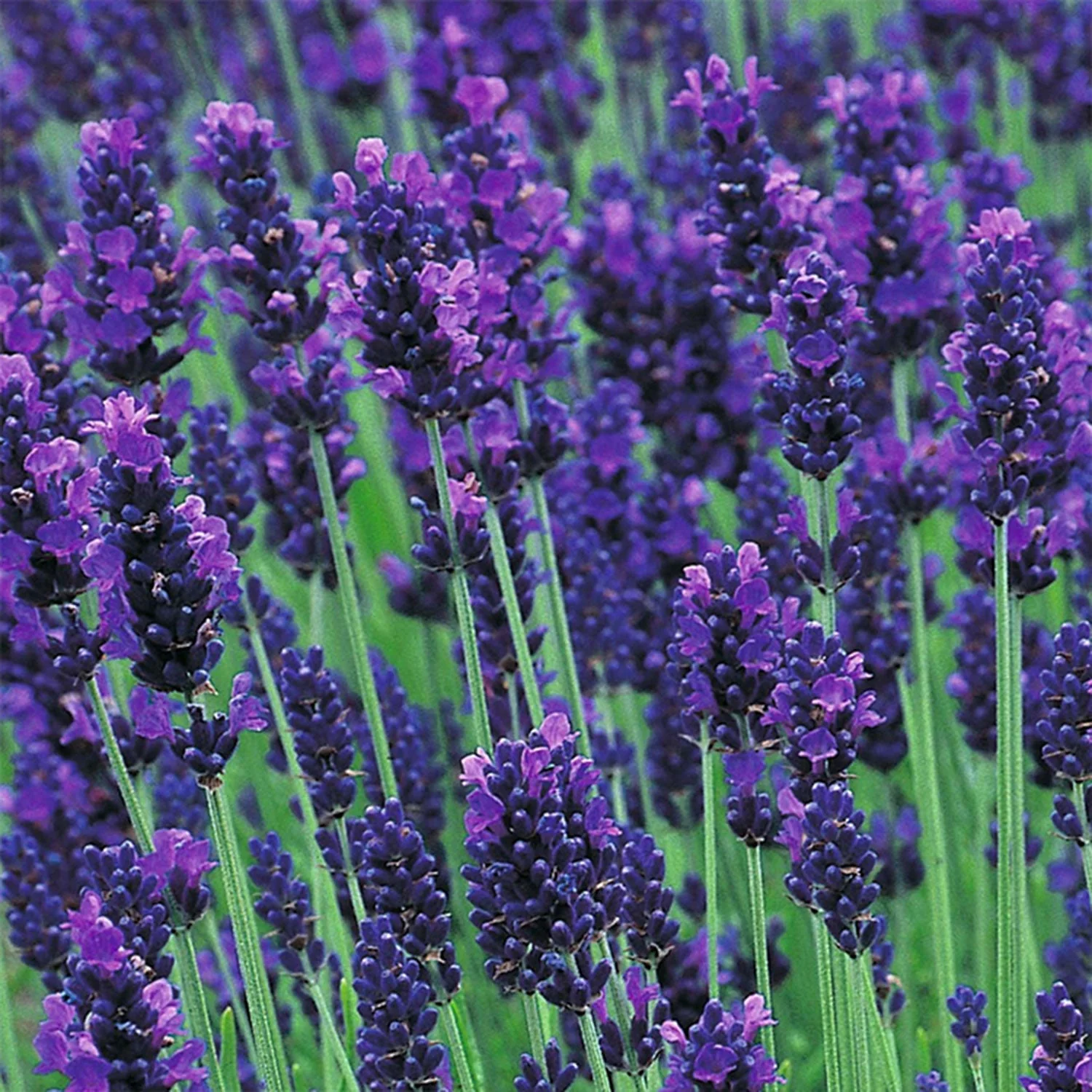
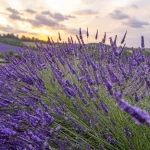
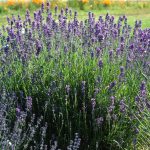
English lavender (Lavandula angustifolia) is commonly grown for fragrance culinary use and essential oil production. It performs well in cooler climates and has a compact form.
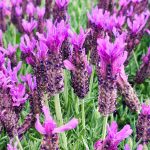
French lavender (Lavandula stoechas) is recognized by its upright bracts and performs best in warmer regions.
Spanish lavender (Lavandula dentata) has serrated leaves and is suited to mild climates with long growing seasons.
Lavandin (Lavandula x intermedia) is a hybrid that grows larger than English lavender and is often used for oil and dried flower production.
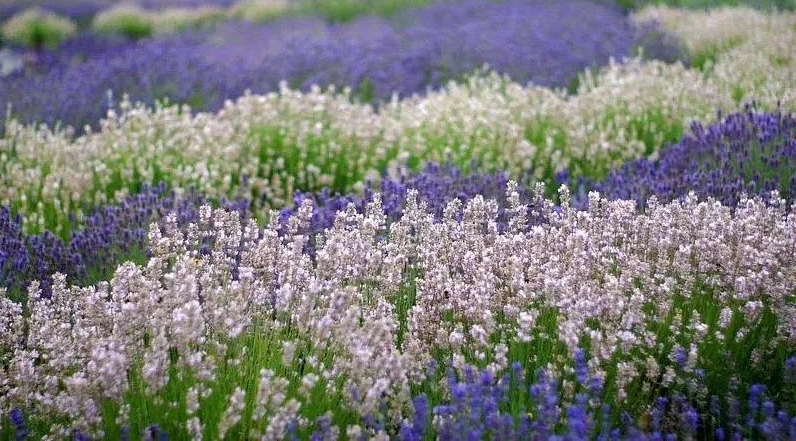
Selecting a variety suited to your region improves flowering consistency and long term survival. It would take many more lines of pictures to highlight all of them.
Site Selection and Sunlight
Lavender requires full sun. Choose a location that receives at least six to eight hours of direct sunlight each day.
Good air circulation is important. Avoid low areas where water collects or locations surrounded by dense vegetation. Lavender performs best in open areas where foliage dries quickly after rain.
Soil Preparation
Lavender prefers well draining soil. Poor drainage is the most common cause of plant decline.
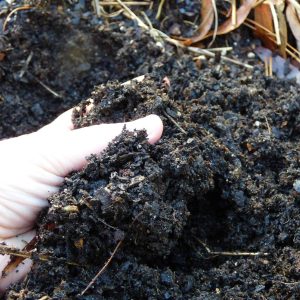
Ideal soil pH ranges from 6.5 to 7.5. Sandy gravelly or loamy soils work well. Heavy clay soils should be amended to improve drainage using coarse compost sand or small gravel.
Raised beds or gently mounded rows are commonly used where soil retains moisture.
Planting Lavender
Dig a hole slightly larger than the root ball. Place the plant so the top of the root ball sits level with or slightly above the surrounding soil surface.
Space plants 12 to 18 inches apart depending on the variety. Larger types such as lavandin benefit from wider spacing to allow airflow and mature growth.
Firm soil gently around the roots without compacting heavily.
Watering Practices
Water thoroughly after planting to settle soil around the roots. Once established lavender prefers infrequent deep watering rather than frequent shallow watering.
Allow soil to dry between waterings. Consistently wet soil increases the risk of root problems. Established lavender plants tolerate dry conditions well.
Mulching
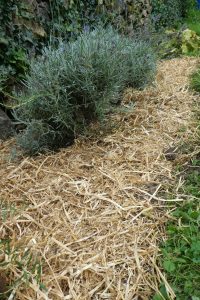
Mulch helps manage weeds and stabilize soil temperature. Use materials that do not trap excessive moisture such as straw bark or gravel.
Keep mulch slightly away from the plant base to prevent moisture buildup at the crown.
Pruning and Maintenance
Pruning maintains plant shape and encourages new growth. Trim lavender after flowering or in early spring before active growth begins.
Remove approximately one third of the current season’s growth while avoiding woody stems. Harvesting flowers regularly helps keep plants compact.
Fertilization
Lavender does not require heavy feeding. Excess fertilizer especially nitrogen promotes leaf growth at the expense of flowers.
In nutrient poor soils a light application of compost or balanced organic fertilizer in early spring is sufficient.
Pest and Disease Awareness
Lavender is resistant to many pests. Most problems result from excess moisture or limited airflow.
Root rot powdery mildew and similar issues are reduced by proper spacing drainage and sun exposure. Remove damaged growth promptly if it appears.
Winter Care
In colder climates lavender benefits from winter protection. Apply mulch around the base to protect roots from freeze thaw cycles.
In regions with cold wet winters container grown lavender can be moved to sheltered areas. Drainage remains critical year round.
Long Term Growth
Lavender can remain productive for several years when grown in suitable conditions. Consistent sunlight drainage pruning and spacing form the foundation of long term success.
With proper care lavender provides reliable blooms fragrance and a steady supply of flowers for household culinary aromatic and traditional uses.